

- The Best Sauna Tents – A Complete Guide (2026) - January 22, 2026
- The True Cost of Being a Digital Nomad in Canada in 2026 - January 8, 2026
- review: Arc’Teryx Gamma lightweight jacket – what OutdoorGearLab doesn’t tell you - October 22, 2025
Canada looks perfect on Instagram and from “The Data”. Clean cities. Nature everywhere. A strong passport stamp. In 2026, many digital nomads still see Canada as a safe, stable base. But there are many hidden prices, and the true cost is rarely obvious at first glance.
Being a digital nomad in Canada is not just about rent and coffee. It is about taxes, visas, leisure costs, weather-driven expenses, bills, and the quiet cost of staying compliant. This text breaks those costs down, clearly and without hype.

So, as a Canadian Nomad, literally, I will tell you my unbiased view on the costs and other info about moving to Canada as a digital nomad.
Table of Contents
Housing: The Largest Monthly Shock
Rent is the biggest expense for digital nomads in Canada. In fact, it’s often absurd in many places. Check Kijiji.ca for a quick trip on the current rental market.
In 2026, average monthly rent for a one-bedroom apartment:
- Toronto: CAD 2,500–2,800
- Vancouver: CAD 2,600–3,000
- Montreal: CAD 1,600–1,900
- Calgary: CAD 1,700–2,000
Short-term rentals cost more. Furnished units often add 20–35 percent. A digital nomad staying flexible usually pays a premium for that flexibility. You can find cheaper if you don’t mind a share room or packed accommodation – flashbacks to the converted units with 12 people living on one floor…
Prices range from CAD 1,200 to CAD 1,800 for a private room, often with shared kitchens and strict rules.
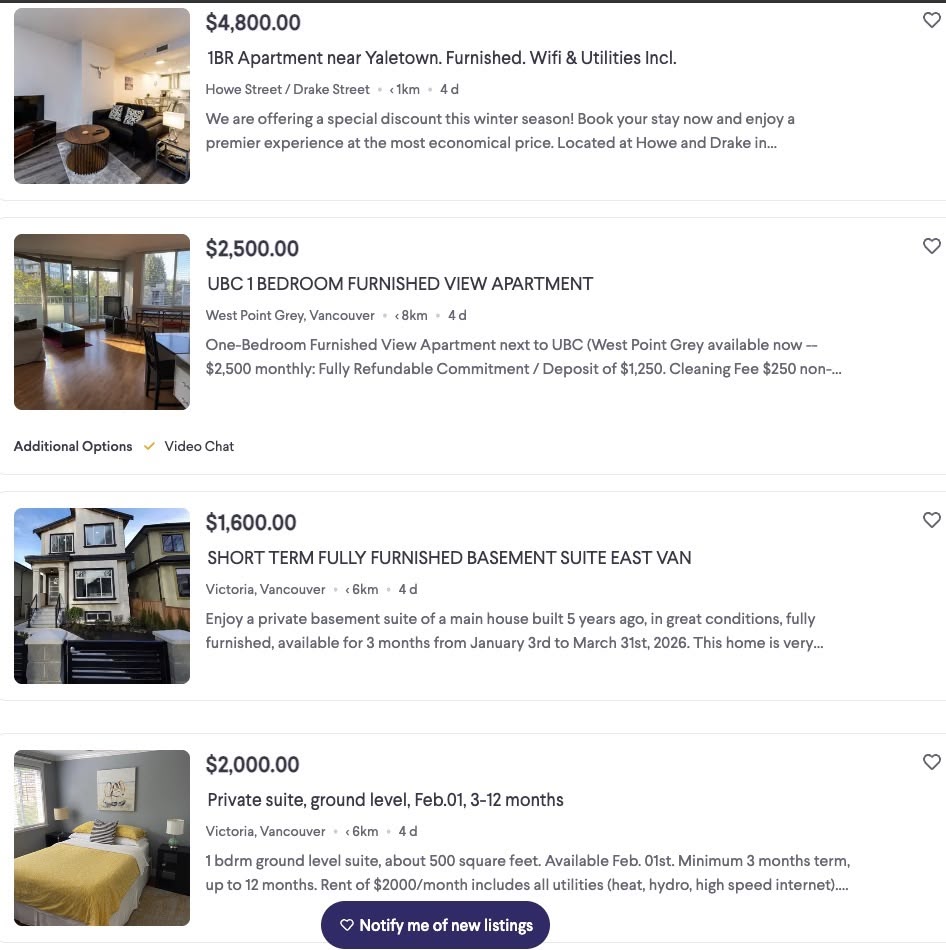
Co-living spaces exist, but supply is limited, and of course, cost quite a bit.
When I lived in Denmark, the Netherlands, Germany, Croatia, and Portugal – none were as close to the prices of Canadas rent (I’m from Calgary, a ‘cheaper’ major city). Sure, it’s not as expensive as LA, London, or New York, but you also don’t get paid as much as in those places, or have access to the same cultural wonders.
And to add to that, that’s where the prices begin…
Internet, Coworking, and Productivity Costs
Internet quality is quite good, but not cheap.
- Home internet: CAD 80–120 per month
- Mobile data plans: CAD 60–95 per month
Seriously, my 50gb data + calling + SMS plan is 7eur/month in Europe. In Canada, my sister pays $75 for 50gb. So, if you want to stay connected while out of the house, just check the prices from the ‘Top 3’ telecom providers in Canada, I dare you.
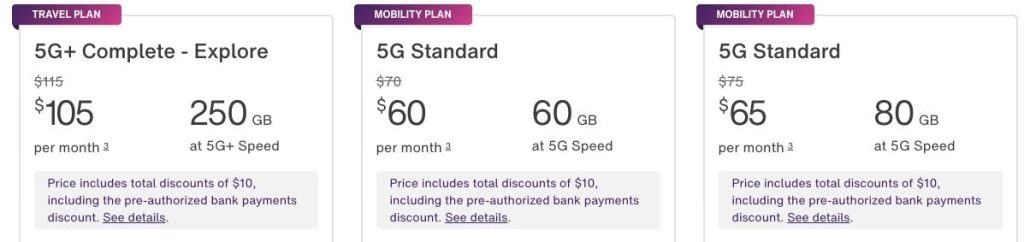
Just talk & text (no data) is $30/month… outrageous!
Canada consistently ranks among the most expensive mobile markets in the OECD.
Coworking spaces in 2026:
- Part-time access: CAD 200–300
- Full-time desks: CAD 350–500
That’s also not to mention the limited library that providers like NetFlix or Disney+ will give to Canadian-based IP addresses. I use a VPN to circumvent that – particularly with VeePN, an encrypted connection app to keep my data safe my IP masked.
Food Costs: Groceries vs Eating Out
Food in Canada is very expensive compared to many nomad hubs.
Not only is the price of groceries absurd by any European standard, the quality is downright upsetting. Overpriced and poor quality staples like bread, cheese, fruits, pastas, etc.

In 2026, average monthly grocery costs for one person:
- Basic groceries: CAD 400–550
- Organic or specialty diets: CAD 600–750
Eating out changes everything. Seriously, more than twice as much as in Europe at this point. Don’t forget your ‘mandatory’ 20% tip. It’s not unusual to spend $30+ on a cheap meal which is one step above fast food.
- Simple lunch: CAD 18–30
- Casual dinner: CAD 30–50
- Coffee: CAD 4.50–6
If you eat out 2-3 times a week, your monthly food budget can rise by CAD 400 without feeling dramatic. It happens quietly. Slowly. Then suddenly.
Transportation: Cities Are Not Cheap to Move Around
Public transportation is hit or miss, depending where you live. Unless you live in the city centre of Vancouver or Toronto, you can forget on relying on it to get around. You need a car. At least if you want any semblance of mobility and freedom.
Just look at the monthly transit pass prices in 2026:
- Toronto: $156
- Vancouver: $111.60+
- Calgary: $118
- Montreal: $104.50+
If we compare these prices to any modern European nation with a much higher quality, speed, and connectivity of their transit, it’s either on-par or more expensive.
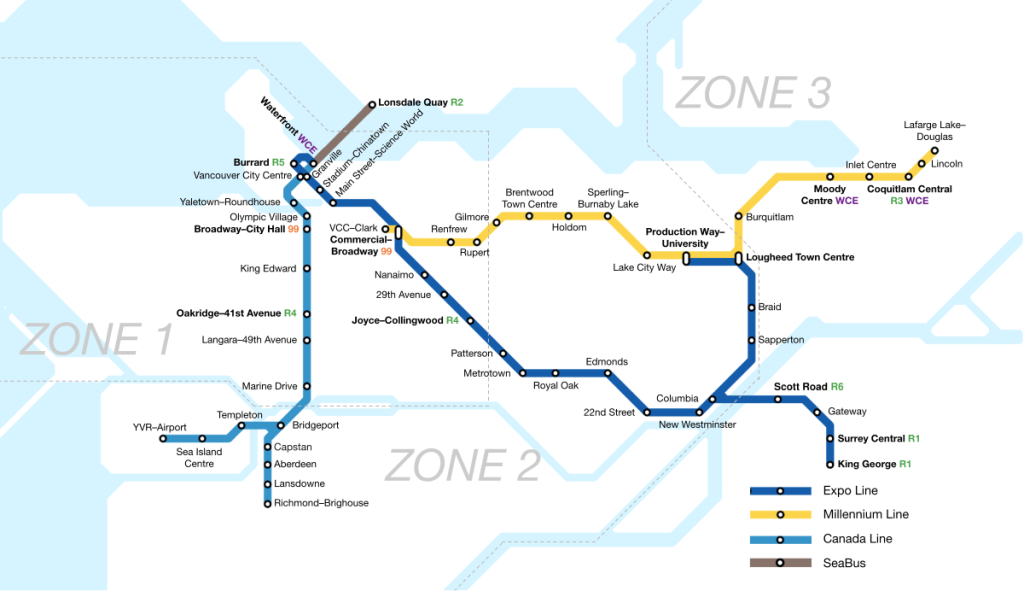
Ride-sharing is expensive due to fuel prices and insurance costs. Owning a car as a nomad rarely makes sense anyways, and without one, you’re severely hamstrung on the experiences you can freely hop between in Canada.
Car insurance prices in Canada are multiple times more than in Europe, and not to mention he up-front cost of around $5,000 for a decent used car just to start. Again, check Kijiji to see the used car market.
Car-sharing services cost:
- CAD 15–20 per hour
- CAD 80–120 per day
If you move cities often, transportation becomes a hidden budget leak.
Healthcare and Insurance: A Critical Detail
Canada has public healthcare, but digital nomads usually do not qualify. Without permanent residency, you must rely on private insurance. It’s not as bad as insurance prices in the US, but we’re catching up, slowly…
Average costs in 2026:
- Travel health insurance: CAD 90–150 per month
- Comprehensive global plans: CAD 180–300 per month
A single emergency room visit without coverage can cost over CAD 1,000. This is not optional spending. It is risk management, and severely unwise to travel or adventure without that, especially in the mountains.
Taxes and Legal Status: The Silent Expense
Canada does not have a specific digital nomad visa.
Most nomads enter as:
- Visitors
- Temporary residents
- Students
Staying longer than six months can trigger tax residency questions.
If Canada considers you a tax resident, global income may become taxable.
Income tax rates in 2026: Federal + provincial combined: 20–33 percent for mid-range earners
Professional tax advice often costs CAD 300–600 per consultation. Skipping this step can cost far more later. It’s a complicated unique to you, so I’ll leave that research for a different article.
Weather and Clothing: The Climate Tax
Winter costs money. Warm clothing is not optional. Good boots alone can cost CAD 100–300. You can thrift things, but even the thrift shops have become much higher priced than they ever ought to have been (thanks, Macklemore).
Want to fit in with an Arc’Teryx piece? Be ready to drop a few hundred..

Winter jacket, thick pants, merino wool socks, gloves, toque, boots. It all stacks up! Multiply that if you’re even thinking of skiing, which, is about $150+ just for a day pass (without gear rental)!
Seasonal expenses include:
- Winter clothing: CAD 250–500
- Heating surcharges in rentals
I even made an Arc’Teryx Alternatives list for budget-savvy people who want to explore the outdoors at far more reasonable costs.
If you come from a warm country, your first winter can quietly break your budget for the month!
Social Life, Leisure & Health Spending
While we’re very polite, kind, and great people on the surface, there’s a hidden difficulty that’s never mentioned.
Canada can feel lonely for newcomers. Trust me, even as a Canadian going back to Canada, you realise how we’re actually not so social, and we stick to the same tight-knit social group that we’ve had for a long time. We don’t welcome newcomers into our circles so often.
Even I, a Canadian, had a hard time making friends and getting into new social circles…
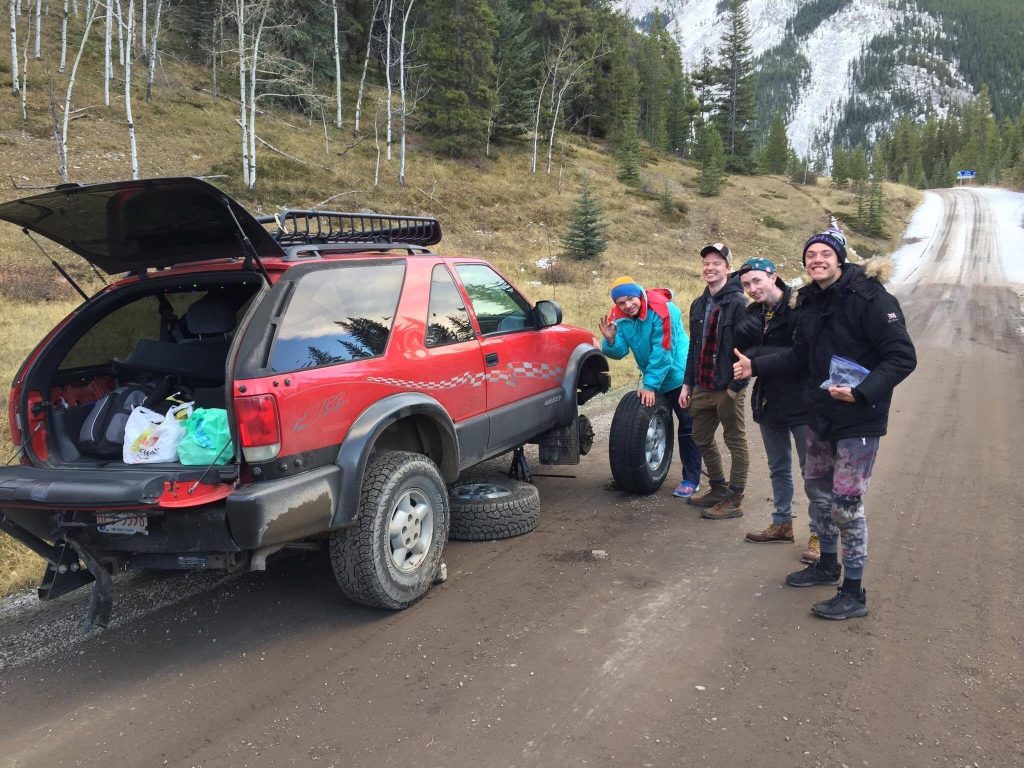
I have several friends who’ve moved to Canada for studies or work, and ended up leaving because the social life aspect was so difficult and isolating. Trust me, this is a big barrier.
During winter months especially you’ll probably want to do some sort of activity or hobby. Bad news is, the prices are again, quite high.
Many nomads spend more on:
- Gym memberships: CAD 60–100
- Classes and hobbies: CAD 100–200+
- Weekend trips to escape winter cities? Hundreds
- Skiing? Thousands
- Trip out to bar with friends? $10 per drink, $20 for food, and $30 for the Uber. Don’t forget to add your 20% tip! Easily $50-$100 for a night out
These costs are not luxuries – in my opinion a healthy social and physical life is a necessity. Problem is, that anything you want to do (be it a climbing gym, board game cafés, ski hill access, sauna club access, etc) – is prohibitively expensive for those on a tight budget.
In Europe – just hop on transit or walk to a café with your friends, have a warm drink for a few euros, go to a climbing gym or yoga class for 10 eur. Sauna? Probably 20 eur.
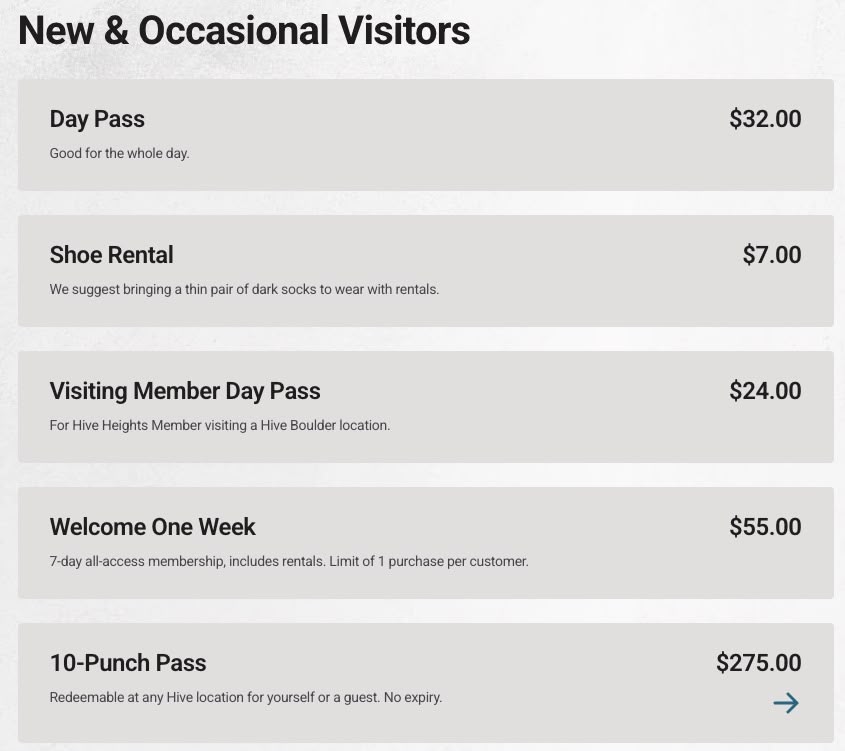
Canada? Do the same, but the coffee is $5 and the climbing gym or yoga is $30. Sauna? $60.
Everything is just more expensive. That’s the fact. Be prepared for that.
The Monthly Reality Check
A realistic monthly budget for a solo digital nomad in 2026:
- Rent: CAD 1,500–3,000
- Food: CAD 500
- Transport: CAD 150–300
- Insurance: CAD 120–250
- Internet and phone: CAD 75
- Social life, leisure, and extras: CAD 300–500
Total: CAD 2,500 to 5000 per month.
This easily surpasses all the countries I’ve lived in, in Europe. And for an arguably lower quality of life (lower quality food, leisure options, etc).
This all excludes travel, emergencies, and savings.
Example Monthly Budget (Single Nomad, Major City)
A realistic 2026 estimate:
- Rent (furnished): 2,700 CAD
- Utilities and internet: 220 CAD
- Food: 600 CAD
- Health insurance: 150 CAD
- Transport: 120 CAD
Total: around 3,790 CAD per month.
For a digital nomad living in a major Canadian city such as Toronto or Vancouver, this budget reflects a balanced but not luxurious lifestyle. The rent assumes a small one-bedroom or studio in a well-connected area, not the city center but not far from it either.
Food costs mix groceries with occasional meals out, rather than daily dining. Transport mainly covers public transit, as owning a car would raise expenses very quickly. This estimate also leaves little room for savings, highlighting how important stable income planning is for nomads in Canada.
Final Thoughts: Is Canada Worth It?
Canada offers beauty, space, and a functional society. It also demands planning, cash flow, and patience. It was not for me.
For high-income remote workers, the costs may be acceptable. For budget nomads, Canada is one of the most expensive bases in the world and I have a very hard time to recommend it. It’s a beautiful nation with heaps of empty space, incredible mountains, and polite people. If you’re an outdoor lover, then it’s hard to beat some of the raw wilderness of Canada.
It’s also very difficult to base up in and get settled in, and many people I’ve known personally went back to Europe after trying to make it work for a year or more.
The true cost is not just money. It is complex. Rules. Cold winters. Paperwork. Loneliness.
Canada can work. But only if you arrive informed, insured, and financially prepared.
I hope this helped you out, and if you have any questions drop a comment down below!